

 By
By 
Allergic rhinitis sinus pain sneaks up on you at the worst possible moment – mid-flight somewhere over the Atlantic, during a job interview in a pollen-soaked May afternoon, or at 3 a.m. when you roll over in bed and suddenly feel like someone parked a small car on your cheekbone. A patient once told me, half-laughing and half-grimacing: “Doc, it feels like my face is trying to implode.” She wasn’t exaggerating. The pressure was so bad she thought she was having a dental emergency. Turns out her upper molars were fine – but her maxillary sinuses, swollen shut from weeks of untreated hay fever, were staging a full-blown revolt about two centimeters above those tooth roots.
That’s the tricky thing about this whole situation. People expect allergies to mean sneezes and watery eyes. A nuisance, sure. But when your sinuses get involved? It becomes something else entirely. The kind of pain that makes you cancel plans, avoid flights, and stare suspiciously at your coworker’s bouquet of fresh lilies like it’s a loaded weapon. And here’s what frustrates me, honestly – most of this suffering is preventable. Or at least manageable. But people wait, and wait, and reach for the wrong sprays, and make it worse.
Let me walk you through what’s actually happening inside your face when allergies and sinus pressure team up. Because once you understand the mechanics, the solutions start making a lot more sense.
The Domino Effect: How a Simple Allergy Turns Into Facial Agony
Picture your sinuses as four pairs of small, air-filled rooms hidden inside the bones of your face and forehead. Each room connects to your nasal cavity through an opening called an ostium – and here’s the problem: these openings are surprisingly narrow. We’re talking a few millimeters in some cases. When everything works normally, air flows in and out, mucus drains quietly, and you never even think about these little chambers. They just do their job in the background, like a well-run IT department nobody notices.
Now introduce an allergen. Pollen, dust mites, pet dander, mold – whatever your immune system has decided to treat as a personal insult. The moment it hits your nasal lining, your body launches its defense: histamine floods the area, blood vessels dilate, tissues swell. The lining of your nose puffs up like a sponge dropped in water. And those tiny sinus openings? They get squeezed shut.
This is where it gets ugly. Mucus keeps being produced inside the sinuses – that doesn’t stop just because the exit is blocked. So the fluid builds up, the air gets trapped, and pressure starts rising. Unlike a common cold, where this might happen for a week and then resolve, allergic rhinitis causes persistent swelling. The inflammation doesn’t just come and go – it camps out. Every exposure to the allergen restarts and reinforces the cycle. Swelling leads to blockage, blockage leads to pressure, pressure leads to pain. And the pain can show up in places you wouldn’t expect.
| Symptom You Feel | What’s Actually Happening |
|---|---|
| Pressure across cheeks | Maxillary sinuses blocked – fluid buildup against bone |
| Forehead heaviness | Frontal sinus congestion – swollen ostia trapping air and mucus |
| Pain between the eyes | Ethmoid sinuses inflamed – these sit in a very tight bony space |
| Toothache (upper teeth) | Maxillary sinus floor sits right above molar roots – pressure radiates down |
| Ear fullness or popping | Eustachian tube swelling from the same allergic inflammation |
| Pain worse when bending forward | Gravity shifts trapped fluid – increases pressure on sinus walls |
Is It Allergies, a Cold, or Something Worse? Sorting Out the Confusion
Patients ask me this all the time, and it’s a fair question. The overlap between allergic rhinitis, a viral cold, and bacterial sinusitis can be genuinely confusing. They all cause congestion, they all can cause facial pressure, and they all make you feel lousy. But there are differences worth knowing, because the treatment path is completely different for each one.
Allergic rhinitis tends to follow patterns. Maybe it’s seasonal – symptoms appear in spring when tree pollen surges, or in fall when ragweed takes over. Or maybe it’s year-round but worse in certain environments. One of my patients couldn’t figure out why she felt terrible every Monday morning until we realized her office building’s ventilation system was circulating dust and mold spores all weekend and dumping them out when the system kicked on Monday morning. Detective work like that matters.
The discharge pattern is another clue. Allergies typically produce clear, thin, watery mucus – the kind that drips out your nose like a leaky faucet and leaves you going through tissues like they’re going out of style. If it turns thick, yellow, or greenish and you develop fever, that suggests bacterial infection has entered the picture. But I should be honest here – mucus color alone isn’t a perfect diagnostic tool. I’ve seen allergic patients with slightly cloudy discharge, and infected patients whose mucus stayed relatively clear early on. Context matters more than color.
The itching factor is probably the most reliable tell. Allergies itch. Your nose itches, your eyes itch, the roof of your mouth itches, your ears might itch deep inside. Infections don’t typically cause itching. So if you’re sneezing in rapid-fire bursts, rubbing your eyes, and doing that weird palate-scratching thing with your tongue, allergies are almost certainly driving the bus.
What You Can Do Right Now (If Your Face Is Currently a Pressure Chamber)
Feeling Sinus Pressure Right Now? Try These Steps:
1. Saline rinse or spray – This mechanically flushes out allergens and loosens trapped mucus. It’s not glamorous, but it works. Use isotonic or slightly hypertonic saline.
2. Warm compress on your face – A warm, damp washcloth across your cheeks and forehead for 10-15 minutes. The heat helps dilate those tiny sinus openings.
3. Steam inhalation – Lean over a bowl of hot water with a towel draped over your head. Picture that steamy bathroom fog, except directed right at your nasal passages. Even 5-10 minutes can bring noticeable relief.
4. Stay hydrated with warm fluids – Tea, broth, warm water. Warm liquids help thin out mucus so it drains more easily.
5. Elevate your head slightly – If lying down makes it worse (and it usually does), prop yourself up with an extra pillow. Gravity becomes your ally instead of your enemy.
6. Avoid dry environments – Air conditioning, airplane cabins, forced-air heating – these all dry out your nasal passages and make congestion worse.
To make things easier, here’s a quick comparison of what actually helps reduce sinus pressure and when to use each option:
| Method | Speed of Relief | Best For |
|---|---|---|
| Saline rinse (sinus irrigation) | Within minutes | Deep cleaning of nasal passages – removes allergens and trapped mucus |
| Saline spray | Almost immediate | On-the-go daily relief – moisturizes, loosens mild congestion |
| Steam inhalation | 5-15 minutes | Stubborn, deep congestion – opens swollen passages with moist heat |
| Warm compress | 10-15 minutes | Facial pressure and pain – soothing, helps widen sinus openings |
| Nasal corticosteroid spray | Hours to days for full effect | Ongoing allergic inflammation – the long-term workhorse |
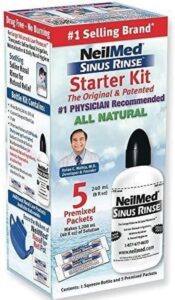 Relieve Sinus Pressure at the Source
When sinus pressure builds because of allergic congestion, the core issue is blocked drainage. Saline irrigation physically flushes allergens and stagnant mucus out of your nasal passages – it addresses the mechanical problem directly. In our practice, we consider sinus rinses one of the most underused yet effective tools for pressure relief. They’re drug-free, safe for daily use, and recommended by the American Academy of Allergy, Asthma & Immunology.
Check NeilMed Sinus Rinse Kit on AmazonTreatment That Goes Beyond “Take an Antihistamine”
Look, I’m not going to pretend that popping a cetirizine tablet magically solves everything. Antihistamines are useful – genuinely useful – but they’re one piece of a puzzle, and most people treat them as the entire puzzle. So let me lay out how different treatments actually work, what they’re good at, and where they fall short. Because I think you deserve better than “take a pill and see if it helps.”
Oral antihistamines (cetirizine, loratadine, fexofenadine) block histamine receptors, which reduces sneezing, itching, and runny nose. What they don’t do particularly well is reduce established nasal swelling and sinus congestion. Think of them as prevention rather than rescue. They work best when you take them before heavy allergen exposure, not after your sinuses are already swollen shut and screaming at you. The newer ones rarely cause drowsiness, which is a huge improvement over the older generation. Nobody wants to fall asleep at their desk because they took something for sneezing.
Nasal corticosteroid sprays – fluticasone, mometasone, budesonide – are, honestly, the single most effective treatment for allergic rhinitis with sinus involvement. I know “steroid” sounds intimidating, but these are topical, low-dose, and barely absorbed into your bloodstream. They reduce inflammation right where it matters: the nasal lining. The catch? They take a few days to reach full effect. This drives people crazy because they want instant relief, and I get that. But once these sprays are working, the difference is often dramatic. Many patients tell me it’s like getting their nose back.
Saline irrigation deserves its own paragraph because it’s genuinely underappreciated. Flushing your nasal passages with salt water sounds primitive. The first time you try it, you feel ridiculous. Water goes in one nostril and comes out the other while you stand over the sink looking like you’re performing some sort of bizarre ritual. But it works. It physically removes allergens, thins out mucus, and reduces swelling. It’s drug-free, cheap, and something you can do twice a day without worrying about side effects. The key is using distilled or previously boiled water (not tap water directly) and the right salt concentration.
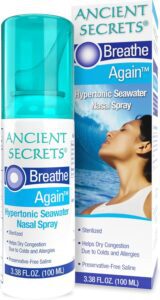
Quick Daily Relief Without Medication
For mild-to-moderate daily congestion from allergies, a simple saline spray can moisturize irritated nasal passages and gently loosen mucus throughout the day – no medication, no rebound risk, and small enough to keep in a bag or desk drawer. It’s a practical first step before reaching for anything stronger.
View Saline Nasal Spray on Amazon
Decongestants get complicated. Oral decongestants (pseudoephedrine) can shrink swollen nasal tissue and temporarily improve drainage. But they raise blood pressure, can cause insomnia, and make some people feel wired and jittery. Nasal decongestant sprays (oxymetazoline) work almost magically for the first few uses – instant open airways, immediate pressure relief. Which is precisely why they’re dangerous. Use them for more than three consecutive days and you walk into rebound congestion territory. I’ve literally had patients addicted to these sprays for months, unable to breathe without them. It’s a miserable cycle to break.
Immunotherapy is the closest thing we have to addressing the root cause of allergies rather than just managing symptoms. Allergy shots or sublingual tablets gradually expose your immune system to increasing doses of specific allergens until it learns to stop overreacting. It takes commitment – we’re talking 3-5 years of treatment. But for people with severe, persistent allergic rhinitis who’ve tried everything else, it can be genuinely life-changing. Not everyone is a candidate, and it requires proper allergy testing first to identify your specific triggers.
Home Remedies: What Actually Helps vs. What’s Just Folklore
The internet is full of home remedies for sinus pressure. Some of them work. Some are harmless but useless. And a few are genuinely bad ideas. Let me sort through this honestly, because I think patients deserve a straight answer instead of a list of 47 “natural cures” without any context.
Steam inhalation genuinely helps. The warm, moist air helps thin mucus, reduce swelling, and open those congested passages. You can lean over a bowl of hot water with a towel, or use a dedicated steam inhaler device. The dedicated devices deliver more consistent temperature and are safer – no risk of accidentally spilling hot water on your lap, which I’ve seen happen more than once. Imagine that: a patient came in for sinus pressure and left with a burn on their thigh. Not ideal.
 Deep Sinus Relief With Targeted Steam
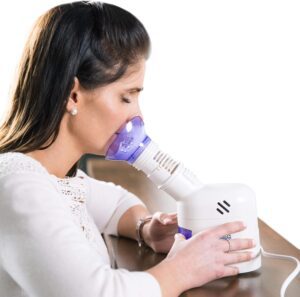
Steam inhalation can open swollen sinus passages and help drain trapped mucus, especially during severe allergy flare-ups. Dedicated personal steam inhaler devices deliver consistent, targeted warmth to the nasal area without the burn risk of boiling water in a bowl. They’re particularly useful during peak allergy season or when congestion resists other approaches.
See Personal Steam Inhaler on AmazonWarm compresses are soothing and somewhat helpful. A warm, damp cloth across the bridge of your nose and cheeks feels great. Does it cure anything? No. Does it help reduce pain perception and potentially dilate those sinus openings slightly? Probably. Sometimes comfort is its own form of medicine, and I’m okay with recommending something that makes people feel better even if the evidence isn’t overwhelming.
Spicy foods – this one’s interesting. Capsaicin (the compound in hot peppers) does cause transient rhinorrhea, meaning your nose runs like crazy after eating something spicy. Some people find this clears their congestion briefly. But it’s temporary, messy, and not exactly practical advice for most situations. You can’t exactly eat ghost peppers at a board meeting. That said, if you enjoy spicy food anyway, it might provide a few minutes of clearer breathing.
Essential oils – here I’ll be blunt. Eucalyptus and peppermint oils create a cooling sensation that can make your nose feel more open, but they don’t actually reduce swelling or clear mucus. The menthol triggers cold receptors, giving you the illusion of better airflow. It’s a sensory trick. And some people are allergic to essential oils themselves, which would make the problem worse. If you find them soothing, fine, but don’t rely on them as treatment.
Hydration matters more than people think. When you’re dehydrated, mucus thickens and drains less efficiently. Drinking enough fluids – particularly warm ones – helps keep secretions thin and flowing. It won’t fix your allergies, but it removes one obstacle from the drainage process.
Prevention: Getting Ahead of the Pressure Curve
Here’s something I tell patients all the time: the single best treatment for allergic rhinitis sinus pressure is prevention. Stopping the inflammatory cascade before it starts is exponentially easier than trying to reverse it once your sinuses are fully blocked and throbbing. Think of it like a fire – much easier to snuff out a match than to extinguish a house fire.
If you know your triggers, avoidance becomes your first line of defense. Sounds obvious, I know, but the specifics matter. Pollen allergy? Check pollen counts before going out. There are apps that track this in real-time for your zip code. On high-pollen days, keep windows closed and run air conditioning (which filters air). Shower and change clothes when you come inside – pollen sticks to hair and fabric like glitter sticks to everything. If you’ve ever tried to get glitter off your hands, you know what I mean.
Dust mite allergy is trickier because these microscopic creatures live in your bedding, carpet, and upholstered furniture. Allergen-proof covers on pillows and mattresses make a real difference. Wash bedding weekly in hot water. Keep indoor humidity between 30-50% because dust mites thrive in moist environments. A HEPA air purifier in the bedroom can help, especially if you keep the door closed to limit the area it needs to clean.
And here’s the strategic move that too few people know about: start preventive medication before your allergy season begins. If you know April destroys you every year, start your nasal corticosteroid spray in mid-March. Getting ahead of the inflammation curve means the spray is already reducing swelling before allergens spike. Once the swelling is established and sinuses are blocked, you’re playing catch-up, and that’s a harder game to win.
When to Stop DIY-ing and See a Doctor
I respect self-care. Genuinely. Most cases of allergic rhinitis with sinus pressure can be managed with over-the-counter tools and smart prevention. But there are situations where you need professional evaluation, and I’d rather you know those red flags than push through something that needs attention.
See a doctor if your symptoms haven’t improved after two weeks of consistent over-the-counter treatment. If you’re getting recurrent sinus infections – say, three or four a year – that’s a pattern worth investigating. If facial pain is severe, one-sided, or accompanied by fever, don’t sit on that. If your sense of smell has been diminished for weeks or months, or if you notice something dripping down the back of your throat constantly (postnasal drip that won’t quit), those are reasons to get checked.
And honestly? If you’re not sure what’s triggering your symptoms, proper allergy testing is worth its weight in gold. Knowing whether you’re reacting to tree pollen, dust mites, cat dander, or mold spores changes the entire management strategy. You can’t avoid something if you don’t know what it is. An allergist or ENT specialist can run skin prick tests or blood tests to identify your specific triggers, and that information opens the door to more targeted treatment, including immunotherapy if appropriate.
What Happens If You Ignore This for Too Long
I don’t like being alarmist – it’s not my style. But I do think people should understand what can happen when chronic allergic rhinitis goes unmanaged for months or years. It’s not that terrible things definitely will happen. It’s that the odds of complications increase, and some of those complications are genuinely annoying to deal with.
Chronic sinusitis is the most common downstream issue. When your sinuses stay inflamed and poorly drained month after month, the mucous membranes remodel. The lining thickens. Nasal polyps – soft, non-cancerous growths – can develop and block the passages even further. At that point, medications alone may not be enough, and surgical options enter the conversation. It’s a bit like what happens when you ignore a small leak in your roof. The first week it’s a drip. A year later you’re looking at water damage and mold.
Sleep disruption is another underrated consequence. Chronic nasal obstruction means mouth-breathing at night, which leads to dry mouth, snoring, fragmented sleep, and that foggy, exhausted feeling the next day. One patient told me she’d been sleeping poorly for two years before we connected it to her untreated allergic rhinitis. Two years of bad sleep because of something manageable. That hits hard.
There’s also the quality-of-life impact that doesn’t show up in any blood test. Missing outdoor events during beautiful weather. Canceling trips because flying with blocked sinuses sounds torturous. The mental fatigue of dealing with chronic symptoms every single day. These things accumulate, and they matter.
Finding the Right Combination: What We Usually Recommend
From a clinical perspective, the most effective approach for allergic rhinitis with sinus pain is usually layered. No single product or medication does everything. Think of it as building a team rather than finding a hero.
The foundation is typically a nasal corticosteroid spray used consistently. On top of that, daily or as-needed saline irrigation to keep passages clean. An oral antihistamine during peak exposure periods. And environmental control measures tailored to your specific triggers.
Here’s how the main relief tools compare side by side:
| Product Type | Best For | Why It Works |
|---|---|---|
| Sinus rinse kit | Deep cleaning and pressure relief | Physically flushes out allergens, mucus, and inflammatory mediators from nasal passages |
| Saline spray | Quick daily maintenance | Moisturizes irritated nasal lining, gently loosens mucus without medication |
| Steam inhaler | Severe or stubborn congestion | Moist heat opens swollen sinus passages, helps drain trapped fluid |
| Nasal corticosteroid spray | Long-term inflammation control | Reduces allergic swelling at the source – the most effective single intervention |
| Oral antihistamine | Preventing histamine-driven symptoms | Blocks the initial allergic response – sneezing, itching, runny nose |
For most patients, starting with saline-based approaches and nasal corticosteroids covers 80% of the problem. Reserve decongestants for acute flare-ups only (and never more than three consecutive days for nasal sprays). If those measures aren’t enough after a few weeks, that’s when it’s time to explore immunotherapy or other prescription options with your doctor.
The Bottom Line – Your Sinuses Are Not Your Enemy
Here’s what I want you to take away from all this. Your sinuses aren’t broken. They’re not defective. They’re actually doing exactly what they’re designed to do – protecting your airway, filtering particles, humidifying air. The problem isn’t the sinuses themselves. It’s that your immune system has gotten a little overzealous about certain harmless substances, and the resulting inflammation jams up a system that works on very tight tolerances.
The good news is that this is one of the most manageable conditions in all of ENT medicine. Between allergen avoidance, appropriate medications, saline care, and in some cases immunotherapy, most people can get their symptoms to a level where allergies are an occasional inconvenience rather than a daily battle. It takes some trial and error. What works for your friend may not work for you. But the tools are there, and most of them are accessible, affordable, and safe.
Don’t settle for suffering through allergy season year after year. Don’t assume that sinus pressure is just “your thing” and something you have to live with. And definitely don’t use that decongestant spray for a fourth day in a row. Talk to a professional if over-the-counter approaches aren’t getting it done. Your face should not feel like a pressure chamber – and with the right strategy, it won’t.
Frequently Asked Questions

✔️ Reviewed by Dr. Olivia Blakey, ENT Specialist (Human-Edited)
Based in London, UK – MBBS from Royal London Hospital, 10+ years in NHS & private practice.
Last reviewed: 6 September 2026
This human-edited article is reviewed regularly and updated every 6 months for medical accuracy. For personalized advice, consult a healthcare professional.


Leave a Reply