

 By
By 
Listen, if you’ve ever woken up sounding like a rusty gate hinge after a night of karaoke (or let’s be honest, just talking too much at a party), you already know that vocal strain recovery isn’t just about resting your voice. It’s about understanding what went wrong and fixing it before your vocal cords start waving a white flag.
I remember this teacher who came into my office once – she’d been trying to teach geometry to disinterested teenagers for three weeks straight without a microphone. Her voice was gone. Not hoarse. Gone. When she tried to speak, it was like watching someone mime in a silent film, except with this painful wheeze that made everyone in the room wince. That’s when I realized most people have no idea how fragile these little strips of tissue in their throat actually are.
Why Your Voice Decides to Quit on You
Your vocal cords are basically two muscular bands that vibrate when air passes through them. Think of them like guitar strings, except they’re wet, fleshy, and can swell up like angry sausages when you mistreat them. And believe me, we mistreat them constantly.
Vocal strain happens when you push these delicate structures beyond their comfort zone. Maybe you screamed at a concert (worth it, probably). Maybe you’ve been coughing for weeks because of that cold you “didn’t have time” to properly recover from. Or perhaps you’re one of those people who thinks whispering is resting your voice – spoiler alert, it’s actually worse because you’re forcing your cords into an unnatural position.
The thing is, your vocal cords don’t just get tired like your legs after a long walk. They get inflamed, swollen, and sometimes even develop tiny calluses called nodules if you really go overboard. I’ve seen opera singers with nodules the size of pinheads that completely changed their voice quality. Not fun.

🎯 Recommended for Quick Relief: Vocal Eze Throat Spray – Professional-grade throat coat that actually works (not sponsored, just effective) Fast-acting formula helps soothe irritated vocal cords
⭐ 4.3 / 5 (1,634+ reviews)The Early Warning Signs (That You Probably Ignored)
Here’s the frustrating part – your body usually warns you before things get bad. But do we listen? Of course not. We’re too busy living our lives.
The first sign is usually that scratchy feeling, like someone sprinkled sand in your throat. Your voice might crack at unexpected moments, which is embarrassing during important meetings or romantic moments (ask me how I know). You might notice you can’t hit those high notes anymore, or your voice gives out halfway through sentences. Some people describe it as their throat feeling “tired” – which is actually pretty accurate, considering your vocal cords are muscles that can fatigue just like your biceps.
What’s interesting is that vocal strain doesn’t always hurt. Sometimes your voice just stops working properly without any pain at all, which is why people keep pushing through until they’ve done real damage. It’s like that friend who ignores the check engine light until their car breaks down on the highway. Don’t be that friend.
What Actually Happens Inside Your Throat
Okay, quick anatomy lesson, but I promise to keep it interesting. Your larynx (voice box) sits in your throat like a little biological synthesizer. Inside it, your vocal cords come together and vibrate hundreds of times per second when you speak. That’s insane when you think about it – these tiny muscles are working harder than a hummingbird’s wings every time you open your mouth.
When you strain your voice, several things can happen. The most common is acute laryngitis, which is basically inflammation of the larynx. Your vocal cords swell up, making them heavier and less flexible. It’s like trying to play a guitar with swollen strings – the sound just doesn’t come out right. The edges of your cords might become irregular or develop small hemorrhages (tiny bleeds) if you’ve really overdone it.
In chronic cases, which I see way too often in teachers, singers, and call center workers, the tissue can actually change structure. You might develop polyps, nodules, or even contact ulcers. These aren’t as scary as they sound, but they do require professional attention and sometimes even surgery to fix.
The Recovery Roadmap – What Actually Works
Right, so you’ve messed up your voice. Now what? First things first – and I cannot stress this enough – STOP TALKING. I know, I know, it’s harder than it sounds. We live in a world where we’re expected to be constantly available, constantly communicating. But your vocal cords need actual rest, not this “I’ll just talk a little bit” compromise we all try to make.
Complete voice rest means no talking, no whispering (seriously, stop whispering), no humming, no singing in the shower. Nothing. Give it at least 48 hours of total silence if you can manage it. I’ve had patients text me saying “This is torture!” and honestly? Good. That discomfort means you’re actually resting.
Hydration is the next big thing, and I don’t mean just drinking water. Though you should definitely do that – aim for at least 8 glasses a day. But here’s something most people don’t know: the moisture that really helps your vocal cords comes from humidity in the air, not from drinking. Your cords are separated from your esophagus, so that water you’re gulping down doesn’t directly touch them. What does help is using a humidifier, especially at night. Steam from a hot shower works too, though standing in the bathroom for 15 minutes breathing in steam might raise questions from your family.
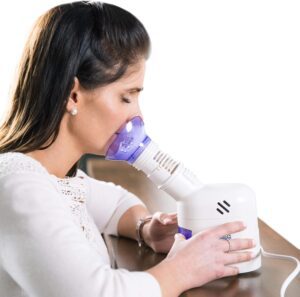
💧 Essential Recovery Tool: Personal Steam Inhaler – Game-changer for voice recovery Professional-grade humidification therapy at home
⭐ 4.8 / 5 (6,209+ reviews)The Weird Tricks That Actually Have Science Behind Them
There are some recovery methods that sound like old wives’ tales but actually work. Throat coat teas, for example. I was skeptical about these until I looked into the research. Slippery elm and marshmallow root (yes, that’s a real plant) contain mucilage, which coats your throat and provides actual temporary relief. Will it cure vocal strain? No. Will it make you feel better while your body heals itself? Absolutely.
Honey is another one. Not because of any magical properties, but because it’s a natural humectant – it helps retain moisture. Mix it with warm (not hot) water and sip slowly. Some of my patients swear by adding a bit of lemon, though the acidity can be irritating for some people, so experiment carefully.
Now here’s something that might surprise you – gentle humming can actually help once the acute phase is over. Not right away, but after a few days of rest, very soft humming helps re-coordinate your vocal cord movement without straining them. It’s like physical therapy for your voice. Start with just 30 seconds at a time, and if it hurts, stop immediately.
What NOT to Do (And Why Everyone Does It Anyway)
Let’s talk about the mistakes I see constantly. First up: clearing your throat. That harsh “ahem” sound? It’s basically slamming your vocal cords together repeatedly. Every time you do it, you’re causing more irritation, which makes you want to clear your throat more, which causes more irritation. It’s a vicious cycle. Instead, try swallowing or taking a sip of water.
Whispering is another villain masquerading as a hero. People think they’re resting their voice by whispering, but they’re actually forcing their vocal cords into an unnatural position that can be even more straining than normal speech. If you must communicate during recovery, use a notepad or text messages.
And please, for the love of everything holy, don’t smoke or vape during recovery. Or ever, really, but especially not now. The heat, chemicals, and dryness are basically the trifecta of vocal cord destruction. Same goes for alcohol – it dehydrates you and can worsen inflammation.

🌿 Natural Support Option: Organic Throat Coat Tea – Traditional herbal blend ENTs quietly recommend Slippery elm and marshmallow root for soothing relief
⭐ 4.8 / 5 (13,410+ reviews)When Things Aren’t Getting Better
Here’s where I need to put on my serious doctor hat for a moment. Most cases of vocal strain resolve with rest and home care within a week or two. But if your voice isn’t improving after two weeks, or if you’re experiencing certain red flags, you need to see an ENT. Not eventually. Soon.
Red flags include: persistent hoarseness lasting more than two weeks, pain when speaking that doesn’t improve, difficulty swallowing, a lump feeling in your throat that won’t go away, or any vocal changes without an obvious cause. These could indicate something more serious than simple strain.
I had a patient once who dismissed her hoarseness as “just talking too much at work” for six months. Turned out to be a benign growth that needed surgical removal. Six months of worrying and voice problems that could have been resolved much sooner if she’d come in earlier. Don’t be like her.
Professional assessment might include laryngoscopy – basically a camera that looks at your vocal cords. Sounds intimidating, but it’s usually done in the office with just a local anesthetic spray. Takes about five minutes and gives us incredibly valuable information about what’s actually going on down there.
Prevention – Because Fixing Is Harder Than Preventing
Once you’ve recovered, let’s talk about not ending up here again. Vocal hygiene is a real thing, though it sounds like something from a shampoo commercial. It means treating your voice like the precious instrument it is.
Stay hydrated – I can’t emphasize this enough. If your urine is darker than pale yellow, you’re not drinking enough. Use a humidifier in dry climates or during winter when indoor heating dries everything out. Avoid excessive caffeine and alcohol, both of which are dehydrating.
Warm up your voice before heavy use. Singers and actors do this routinely, but everyone should. Simple humming, gentle scales, or even just talking softly for a few minutes before a presentation can make a huge difference. It’s like stretching before a run – your muscles perform better when they’re prepared.
Learn proper breathing technique. Most people speak from their throat, which puts unnecessary strain on their vocal cords. Speaking from your diaphragm (your belly should expand when you breathe in) provides better support and reduces strain. This is something a speech therapist can help with if you use your voice professionally.
The Professional Voice Users – Special Considerations
If you’re a teacher, singer, call center worker, or anyone else who uses their voice professionally, you’re in a high-risk category. It’s like being a professional athlete – you need to take extra care of your equipment.
Consider investing in amplification if you teach or present regularly. Fighting to be heard over ambient noise is one of the fastest ways to strain your voice. I’ve seen teachers’ careers cut short by vocal nodules that could have been prevented with a simple microphone system.
Take vocal breaks throughout the day. Even five minutes of silence every few hours can make a significant difference. Some of my patients set phone reminders to take these breaks because otherwise they forget in the chaos of their workday.
Consider working with a voice coach or speech therapist, not because something’s wrong, but to learn optimal technique. Professional singers do this routinely. Why shouldn’t other professional voice users?

🎤 For Professional Voice Users: Portable Voice Amplifier – Save your voice, keep your career Lightweight, rechargeable, and surprisingly powerful
⭐ 4.7 / 5 (1,600+ reviews)The Mind-Body Connection – Stress and Your Voice
Here’s something that doesn’t get talked about enough: stress affects your voice. When you’re anxious or tense, you unconsciously tighten your throat muscles, which changes how your vocal cords work. Ever notice how your voice gets higher or shakier when you’re nervous? That’s muscular tension.
Chronic stress can lead to a condition called muscle tension dysphonia, where your throat muscles are so tight that your voice doesn’t work properly even though your vocal cords themselves are fine. It’s frustrating to diagnose because everything looks normal on examination, but the voice is clearly affected.
Relaxation techniques can actually help with vocal recovery. Progressive muscle relaxation, where you systematically tense and release different muscle groups, can reduce throat tension. Meditation and deep breathing exercises help too. I know it sounds New Age-y, but there’s solid research backing this up.
Diet and Supplements – Sorting Fact from Fiction
Let’s address the elephant in the room: those “vocal supplements” you see advertised. Most are overpriced placebos. Your vocal cords don’t need special vitamins or minerals beyond what you get from a balanced diet. Save your money.
That said, certain dietary choices can affect your voice. Dairy products don’t actually cause mucus production – that’s a myth – but they can make existing mucus feel thicker, which some people find uncomfortable. Spicy or acidic foods can trigger acid reflux, which can irritate your vocal cords. If you notice certain foods affect your voice, avoid them, but there’s no universal “vocal diet” that works for everyone.
Anti-reflux measures can be important for some people. If you have heartburn or notice your voice is worse in the morning, stomach acid might be sneaking up and irritating your vocal cords while you sleep. Elevating the head of your bed, avoiding eating close to bedtime, and managing reflux with your doctor can all help.
The Long Game – Building Vocal Resilience
Recovery isn’t just about getting back to baseline. It’s about building resilience so this doesn’t keep happening. Think of it like training for a marathon – you don’t just show up and run 26 miles. You build endurance gradually.
Start with short periods of voice use and gradually increase. If you’re a teacher returning after vocal rest, maybe teach half days for the first week. If you’re a singer, start with gentle exercises before tackling challenging pieces. Listen to your body – if your voice feels tired, that’s a signal to back off.
Regular vocal exercises can strengthen your voice over time. These aren’t complicated – simple humming, gentle sirens (sliding from low to high pitch), and lip trills all help. Five minutes a day is enough for most people. It’s like flossing – the people who do it consistently see benefits, but most people can’t be bothered.
Wrapping This Up
Look, vocal strain recovery isn’t rocket science, but it does require patience, which is probably the hardest part. We live in a world of quick fixes and instant results, and unfortunately, your vocal cords didn’t get that memo. They heal on their own timeline, and pushing them before they’re ready just sets you back further.
The good news? Most people recover completely with proper rest and care. The even better news? Once you know what caused the problem, you can usually prevent it from happening again. Your voice is unique to you – literally, voice prints are as individual as fingerprints – and taking care of it isn’t vanity, it’s practical self-care.
If you take nothing else from this rambling guide, remember these three things: rest your voice completely when it’s strained, stay hydrated like your life depends on it (your voice does), and don’t ignore warning signs that something more serious might be going on. Your future self, with a healthy, functioning voice, will thank you.
Frequently Asked Questions

✔️ Reviewed by Dr. Olivia Blakey, ENT Specialist (Human-Edited)
Based in London, UK – MBBS from Royal London Hospital, 10+ years in NHS & private practice.
Last reviewed: 15 October 2026
This human-edited article is reviewed regularly and updated every 6 months for medical accuracy. For personalized advice, consult a healthcare professional.


Leave a Reply