

 By
By 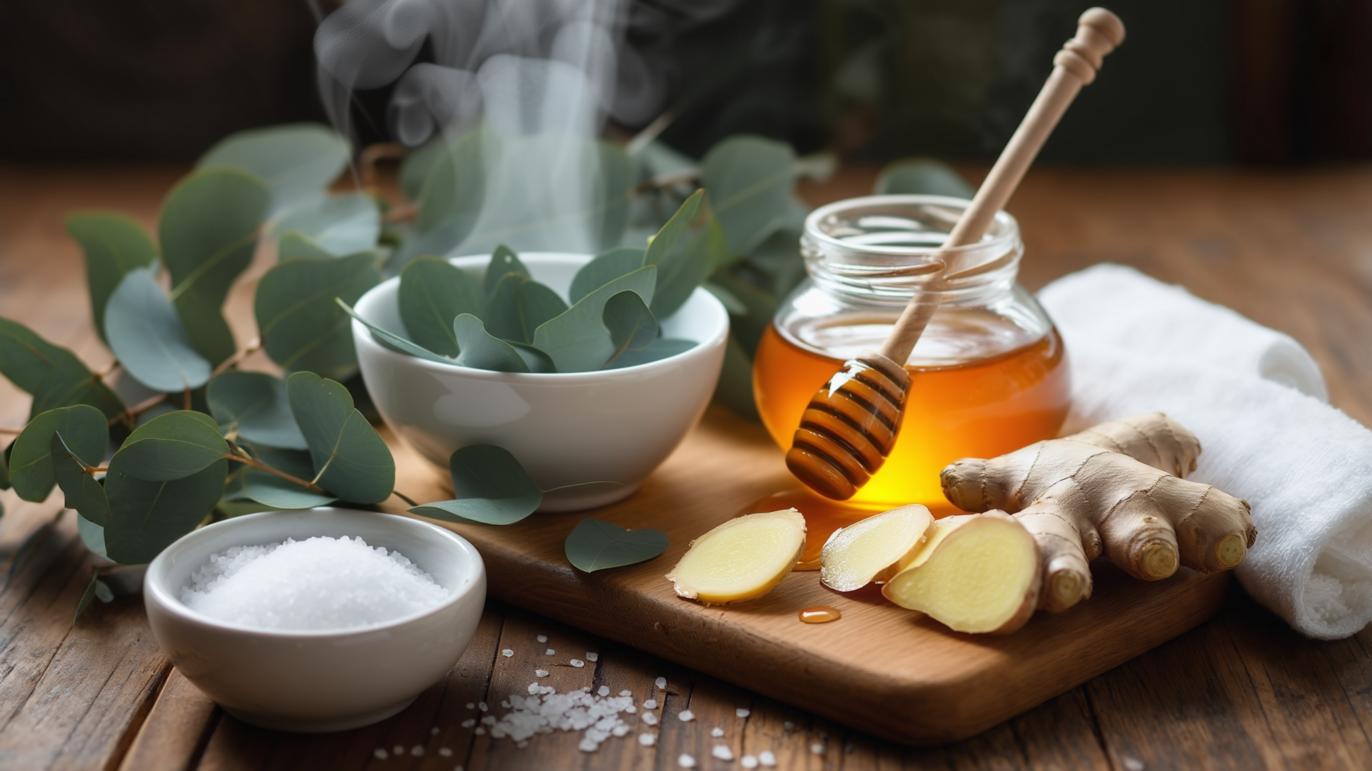
Folk Remedies for Runny Nose have been passed down through generations like family recipes, but here’s the thing – some of these time-tested remedies actually hold up to modern medical scrutiny, while others… well, let’s just say they’re better left in the history books. I’ve spent years listening to patients swear by everything from onion juice to peculiar herbal concoctions, and honestly? Some of them surprised me with their effectiveness.
Picture this: it’s 2 AM, your nose is completely blocked, and you’re breathing through your mouth like a fish out of water. The pharmacy is closed, and you’re desperate for relief. This is exactly when most people remember their grandmother’s advice about steam inhalation or salt water rinses. But before you start raiding your kitchen cabinet, let’s talk about what actually works and what might just waste your time.
The Science Behind Your Stuffy Nose (It’s Not What You Think)
Before we dive into remedies, you need to understand what’s happening inside your nose. When you have a runny nose, your nasal passages are inflamed and producing excess mucus – it’s your body’s way of trying to flush out irritants or infections. Think of it like your nose’s internal sprinkler system going haywire.
The fascinating part? Your nose produces about a liter of mucus every day under normal circumstances. When you’re sick, this can double or even triple. No wonder you feel like you’re drowning in your own snot! The key is finding ways to thin this mucus, reduce inflammation, and help your natural drainage systems work more efficiently.
Most folk remedies work on one of these principles: they either help thin the mucus, reduce swelling, or provide antimicrobial effects. The trick is knowing which ones actually deliver on these promises and which ones are just old wives’ tales that refuse to die.
Steam Inhalation: The MVP of Home Remedies
Let’s start with the heavyweight champion of nasal congestion relief – steam inhalation. This isn’t just grandma’s wisdom; there’s real science behind it. When you breathe in warm, moist air, it helps thin the mucus in your nasal passages and sinuses, making it easier to drain.
Here’s how to do it properly: fill a bowl with steaming hot water, lean over it with a towel draped over your head, and breathe deeply for 10-15 minutes. Some people add a few drops of eucalyptus oil or menthol, which can provide additional relief. I’ve had patients tell me this works better than expensive decongestants, and honestly, I’m not surprised.
The beauty of steam inhalation is its simplicity and safety. You can do it multiple times a day without worrying about side effects or drug interactions. Plus, it’s practically free. The only downside? You might look ridiculous with a towel over your head, but desperate times call for desperate measures, right?
Salt Water Rinses: Ancient Wisdom Meets Modern Medicine
Saline nasal irrigation might sound fancy, but it’s really just a sophisticated way of saying “rinse your nose with salt water.” This practice dates back thousands of years in Ayurvedic medicine, and modern research has confirmed what ancient practitioners knew – it works.
The mechanism is beautifully simple. Salt water helps thin mucus, reduces inflammation, and washes away allergens and bacteria. It’s like giving your nasal passages a gentle shower. You can buy fancy neti pots or nasal irrigation systems, but honestly, a simple saline spray works just as well for most people.
When making your own saline solution, use about half a teaspoon of salt in a cup of warm water. Make sure the water is distilled or previously boiled – you don’t want to introduce new bacteria into your already irritated nasal passages. I’ve seen patients get dramatic relief from this simple remedy, especially those dealing with chronic congestion.
Honey: Sweet Relief That Actually Works
Now here’s where things get interesting. Honey isn’t just for soothing sore throats – it can actually help with nasal congestion too. Raw honey has antimicrobial properties and can help reduce inflammation. Some of my patients swear by mixing a teaspoon of honey with warm water or tea.
But here’s the catch – not all honey is created equal. The processed stuff you find in plastic bears at the grocery store won’t give you the same benefits as raw, unprocessed honey. Look for local honey if possible; some people believe it helps with allergies too, though the scientific evidence for that is still debating itself.
One patient told me she takes a spoonful of honey mixed with a pinch of turmeric when she feels congestion coming on. Sounds weird, but turmeric has anti-inflammatory properties, so there might be something to it. Sometimes the most unexpected combinations work the best.
Ginger: The Fiery Root That Clears Sinuses
Ginger is like that friend who tells you exactly what you need to hear, even if it burns a little. This spicy root has been used for centuries to treat respiratory ailments, and modern science backs up many of these traditional uses. Ginger contains compounds that can help reduce inflammation and thin mucus.
You can make ginger tea by steeping fresh ginger slices in hot water, or add it to your meals. Some people chew on fresh ginger pieces, though I warn you – it’s intense. The heat you feel isn’t just in your imagination; ginger actually increases blood flow, which can help reduce congestion.
I’ve noticed that patients who regularly consume ginger seem to have shorter colds and less severe symptoms. Could be coincidence, but the anti-inflammatory and antimicrobial properties of ginger make it a reasonable addition to your cold-fighting arsenal.
Chicken Soup: More Than Just Comfort Food
Let’s address the elephant in the room – chicken soup. Yes, it’s a cliché, but there’s actual science behind why it works. Research has shown that chicken soup can help reduce inflammation and may slow the movement of neutrophils (white blood cells that cause inflammation) in your body.
The warm liquid helps with hydration and steam inhalation, the salt content can help thin mucus, and the vegetables provide vitamins and minerals your immune system needs. Plus, there’s something psychologically comforting about soup that shouldn’t be underestimated. Sometimes feeling better mentally is half the battle.
My grandmother’s chicken soup recipe included plenty of garlic and onions, which might have added extra antimicrobial benefits. Whether it was the ingredients or just the love she put into it, that soup could cure anything from a broken heart to a stuffy nose.
What to Avoid: Folk Remedies That Do More Harm Than Good
Now for the not-so-good news. Some traditional remedies can actually make things worse or are downright dangerous. Essential oils, while popular, can be irritating to already inflamed nasal passages if used incorrectly. Putting undiluted oils directly in your nose is a recipe for disaster.
Antihistamines for ENT infections might seem like a good idea, but they can actually thicken mucus and make congestion worse if you’re dealing with a bacterial infection rather than allergies. This is where knowing the difference between viral, bacterial, and allergic causes becomes crucial.
Alcohol-based remedies are another no-go. While that hot toddy might make you feel better temporarily, alcohol can dehydrate you and potentially interfere with your immune system’s response. Save the whiskey for when you’re completely recovered.
When Home Remedies Aren’t Enough
Here’s something most articles won’t tell you – sometimes folk remedies just aren’t enough. If your symptoms persist for more than 10 days, if you develop a fever, or if your mucus becomes thick and colored, it’s time to see a healthcare provider. These could be signs of a bacterial infection that might need antibiotic treatment.
I’ve seen patients struggle with sinus infections for weeks, trying every home remedy in the book, when a simple course of antibiotics would have cleared everything up in days. There’s wisdom in knowing when to seek professional help, and it doesn’t make you weak or a failure at natural healing.
The goal isn’t to avoid medical treatment entirely – it’s to use safe, effective home remedies as a first line of defense and know when to escalate to professional care.
The Bottom Line: Combining Wisdom with Common Sense
The truth about folk remedies for runny nose is more nuanced than “they work” or “they don’t.” Many traditional treatments have real benefits, but they’re not magic bullets. The most effective approach combines the best of both worlds – time-tested remedies that science supports, along with modern understanding of when professional medical care is needed.
Steam inhalation, saline rinses, honey, and ginger are all safe, effective options that can provide real relief. They won’t cure a serious infection, but they can make you more comfortable while your body fights off whatever’s causing your congestion.
Remember, your body is usually pretty good at healing itself – sometimes it just needs a little help from remedies that have been helping people breathe easier for centuries. The key is using them wisely and knowing when to seek additional help.
Frequently Asked Questions
A: Generally, if symptoms persist for more than 10 days, worsen after initially improving, or are accompanied by fever, severe headache, or thick colored discharge, it’s time to consult a healthcare provider. Home remedies work best for mild to moderate symptoms in the early stages.
A: Most of the safe remedies mentioned (steam inhalation, saline rinses, honey, ginger) can be used together without issues. However, avoid combining too many treatments at once, as it becomes difficult to determine what’s helping and what isn’t.
A: Steam inhalation and saline rinses are generally safe for children over 2 years old with proper supervision. Honey should not be given to children under 12 months due to botulism risk. Always consult a pediatrician before trying new treatments on young children.
A: Steam inhalation can be done 2-3 times daily safely. Sessions should last 10-15 minutes each. If you experience any irritation or worsening symptoms, reduce frequency or discontinue use.
A: Many of these remedies, particularly saline rinses and steam inhalation, can help with allergic rhinitis by washing away allergens and reducing inflammation. However, addressing the underlying allergy trigger is usually more effective for long-term relief.
References
-
Lim, X. Y., et al. (2024). Medicinal plants for allergic rhinitis: A systematic review and meta-analysis.
PMC. PMID: 38603736.
— This systematic review analysed 29 randomized controlled trials (RCTs) of single medicinal plants used in allergic rhinitis (with symptoms of nasal discharge, sneezing, congestion). It found very-low to low-certainty evidence that such plants may improve overall nasal symptoms compared to placebo, and moderate-certainty evidence that as adjunct therapy they might improve quality-of-life scores. PMC
— Annotation: Supports the concept that some “folk remedies” (herbal plants) have trial-based evidence, albeit limited, for symptoms such as runny nose. -
Li, H., et al. (2021). Oral application of Chinese herbal medicine for allergic rhinitis: A systematic review and meta-analysis of randomized controlled trials. Phytother Res. PMID: 33533107.
— This meta-analysis of 18 RCTs found that Chinese herbal medicines may improve nasal symptom scores (including rhinorrhea/runny nose) compared with antihistamines, but the studies had methodological limitations. PubMed
— Annotation: Further evidence about herbal treatments for nasal symptoms — relevant for evaluating folk remedies. -
Mammari, N., et al. (2023). Natural Products for the Prevention and Treatment of Common Cold: A Review. PMC.
— This review covers natural/over-the-counter/home-use treatments for common cold symptoms (including runny nose) and discusses which ones have supportive evidence and which don’t. PMC
— Annotation: Useful for the part of the article differentiating which folk/home remedies “actually work”. -
Mayo Clinic. (2024). Cold remedies: What works, what doesn’t, what can’t hurt.
— This article offers practical guidance on home remedies (hot liquids, steam, humidifiers) for cold/runny nose symptoms and notes which are low-risk but evidence is modest. Mayo Clinic
— Annotation: A trusted source summarizing home-remedy effectiveness — supports the article’s practical advice sections. -
White, A., & Vandergriendt, C. (2024). Home remedies for a runny nose: Tips for viral infection vs. allergies. Healthline.
— This article lists home/self-care remedies for runny nose (hot drinks, humidifier, neti pot, etc.) and provides context about underlying causes (viral vs allergic). Healthline
— Annotation: Good for the section “which ones to skip/which ones to use” by showing practical self-care validated by health-info site.
See also:
- The Surprising Secret That’s Revolutionizing Home Sinus Care: Why Doctors Are Now Recommending What Grandma Already Knew
- Drip, Drip, Drip: The Never-Ending Story of Your Runny Nose (And Why It Happens)
- When Your Throat Becomes a Battlefield: Understanding White Spots on Tonsils

✔️ Reviewed by Dr. Olivia Blakey, ENT Specialist (Human-Edited)
Based in London, UK – MBBS from Royal London Hospital, 10+ years in NHS & private practice.
Last reviewed: 30 September 2026
This human-edited article is reviewed regularly and updated every 6 months for medical accuracy. For personalized advice, consult a healthcare professional.


Leave a Reply