Press ESC to close

Sinusitis: When Your Sinuses Throw a Party You Didn’t Invite

You know that feeling when your head feels like it’s stuffed with cotton wool, and every breath through your nose sounds like Darth Vader on a bad day? That’s sinusitis for you.

Let me paint you a picture. Imagine waking up one morning, groggy and bleary-eyed, only to find that your head feels… off. Not just ā€œI didn’t sleep wellā€ off, but more like someone decided to fill your skull with soggy tissues. Every time you try to take a deep breath through your nose, it’s as if an invisible hand is pinching it shut. And forget about singing in the shower—your voice comes out all muffled, like you’re talking through a wall. Oh, and the pressure? It’s not subtle. You might feel it behind your eyes, across your forehead, or even in your teeth. If this sounds familiar, chances are you’ve had a brush with sinusitis.

But here’s the thing: sinusitis isn’t just some minor annoyance . It’s one of the most common reasons people end up sitting in an ENT doctor’s office, scrolling through their phone while waiting for answers. In fact, over 30 million Americans deal with sinusitis each year. Let that sink in for a moment. Thirty million! That’s roughly the population of Texas. So yeah, you’re definitely not alone if you’ve been hit by this unwelcome visitor.

What makes sinusitis particularly sneaky is how it creeps up on you. At first, you might think it’s just a cold. You know, the usual suspects: runny nose, slight headache, maybe a tickle in your throat. No big deal, right? Wrong. A week goes by, then two, and suddenly you realize that instead of getting better, you’re feeling worse. Your energy levels plummet, your focus evaporates, and you start wondering why your breath smells like you haven’t brushed your teeth in days (even though you totally have). By the time you finally drag yourself to the doctor, you’re miserable—and probably wishing you’d done something sooner.

Here’s the kicker: despite how widespread sinusitis is, many people don’t even realize they have it until things get really uncomfortable. Why? Because its symptoms often mimic other conditions, like allergies or the common cold. Or maybe you chalk it up to stress or poor sleep. After all, who hasn’t felt a little under the weather at some point? But when those vague symptoms linger and morph into full-blown misery, it’s a sign that something deeper is going on. And trust me, ignoring it won’t make it go away.

The good news? Once you recognize what’s happening, you’re already halfway to finding relief. Sinusitis may be stubborn, but armed with knowledge and the right treatment, you can reclaim your life—and your ability to breathe freely again.

What Exactly Is Sinusitis?

Sinusitis happens when the hollow spaces in your skull (called sinuses) become inflamed or infected. Think of your sinuses as tiny rooms inside your head. Normally, these rooms are airy and open, allowing mucus to drain smoothly. But when something blocks the exits – say, swelling from allergies or an infection – it’s like a traffic jam. Mucus builds up, bacteria move in, and suddenly, you’ve got yourself a sinus party nobody asked for.

Now, there are different types of sinusitis: acute (short-term), subacute (lasting a bit longer), chronic (hanging around for months), and recurrent (coming back again and again). Each type has its own quirks, but trust me, none of them are fun.

Why Do My Sinuses Hate Me?

Let’s get one thing straight: your sinuses don’t actually hate you. But sometimes, it sure feels like they do. So, what gives? Why does this seemingly random part of your body decide to throw a tantrum and ruin your day (or weeks)? Well, buckle up, because we’re diving into the nitty-gritty of why sinusitis happens—and spoiler alert, it’s not always your fault.

It Starts with Something Small

Sometimes, sinusitis begins with something as innocent as a cold. You know, that sniffly, achy, ā€œI’ll just tough it outā€ kind of sickness we all deal with from time to time. Here’s the catch: while most colds pack up and leave after a week or two, they can leave behind a little souvenir—inflammation in your sinuses. That inflammation is like kryptonite for your nasal passages. It causes the delicate lining of your sinuses to swell, narrowing the already-tight pathways that mucus needs to travel through. And when mucus gets stuck? Bacteria love to move in and turn your sinuses into their own personal Club Med.

But viruses aren’t the only culprits. Enter allergies—those sneaky little devils that make life miserable for so many of us. If you’ve ever spent an entire spring season looking like Rudolph the Red-Nosed Reindeer, you know exactly what I’m talking about. Allergens like pollen, dust mites, or pet dander can wreak havoc on your sinuses. They trigger an immune response that leads to swelling, congestion, and—you guessed it—a perfect storm for sinusitis. Hay fever lovers, I’m looking at you. Your immune system might mean well, but sometimes it’s like a hyperactive guard dog barking at shadows.

When Structure Gets in the Way

Now, let’s talk about structural issues—because, yes, some people are just born with sinuses that are… less than cooperative. Take a deviated septum, for example. This is when the wall between your nostrils is crooked (thanks, genetics). A deviated septum can block airflow and make it harder for mucus to drain properly. Imagine trying to pour water through a funnel with a dent in it—it’s messy, inefficient, and downright frustrating.

Then there are nasal polyps, those benign yet bothersome growths that can pop up inside your nasal passages. Think of them as tiny intruders setting up camp where they definitely don’t belong. These soft, teardrop-shaped growths can obstruct airflow and trap mucus, creating a breeding ground for infection. While they’re usually harmless, they can make life feel anything but.

Environmental Factors: The Silent Agitators

Here’s the thing: even if you’re lucky enough to avoid colds, allergies, or structural quirks, environmental factors can still gang up on your sinuses. Ever notice how some people breeze through allergy season without a single sneeze, while others sound like they’re auditioning for a cough drop commercial? Pollution, cigarette smoke, and dry air are all common irritants that can inflame your sinuses and pave the way for sinusitis.

Take pollution, for instance. Living in a city with heavy smog or working in an environment filled with dust or chemicals can take a toll on your respiratory health. Cigarette smoke—whether firsthand or secondhand—is another major offender. Even if you’re not the one lighting up, being around smokers can irritate your nasal passages and make you more susceptible to sinus problems. And don’t get me started on dry air. Winter heating systems and arid climates can sap moisture from your sinuses, leaving them parched and prone to irritation. It’s like asking your sinuses to function without oil in the engine.

Stress: The Straw That Breaks the Camel’s Back

Oh, and here’s a fun twist: stress can also play a role. Yep, your emotional state has a direct impact on your physical health, including your sinuses. When you’re stressed, your immune system takes a hit. It’s like your body’s defense team goes on strike, leaving you vulnerable to infections and inflammation. Add to that the fact that stress often leads to poor sleep, unhealthy eating habits, and maybe even a tendency to rub your face or touch your nose more than usual (hello, germs!), and you’ve got a recipe for sinus disaster.

The Perfect Storm

So, let’s recap: a viral infection kicks things off, allergies fan the flames, structural issues throw obstacles in the way, environmental factors stir the pot, and stress adds fuel to the fire. Put it all together, and you’ve got the perfect storm for sinusitis. It’s no wonder so many people find themselves wondering, ā€œWhy me?ā€

But here’s the silver lining: understanding what’s causing your sinus issues is half the battle. Once you identify the triggers, you can start taking steps to minimize them. Whether it’s managing allergies, avoiding irritants, or addressing structural problems with your doctor, there’s hope. Because let’s be real—your sinuses may act like they hate you sometimes, but deep down, they’re just misunderstood.

How Do I Know If It’s Sinusitis?

Let’s face it: our bodies can be frustratingly vague when something’s wrong. One day you’re fine, and the next, you’re dealing with a constellation of symptoms that make you wonder if you’ve been cursed by some ancient mummy. Is it allergies? A cold? Or could it be sinusitis? The truth is, figuring out whether your misery is due to sinusitis isn’t always straightforward—but there are clues to look for.

The Classic Culprits

First, let’s talk about the obvious signs—the ones most people associate with sinusitis. Facial pain or pressure is one of the hallmarks. Picture this: you wake up in the morning, and it feels like someone has taken a tiny sledgehammer to your forehead, cheeks, or the area around your eyes. That’s because your sinuses are inflamed, and the trapped mucus is putting pressure on the surrounding tissues. You might even feel tenderness when you press on these spots—or worse, just leaning forward can send waves of discomfort through your face.

Then there’s the dreaded stuffy nose. You know the drill: no matter how hard you try, breathing through your nose feels like sucking air through a straw clogged with marshmallows. And don’t get me started on postnasal drip—that annoying trickle of mucus sliding down the back of your throat. It’s gross, it’s uncomfortable, and it often leads to a persistent cough that lingers long after you’ve given up hope of relief.

The Sneaky Symptoms

But here’s where things get interesting: sinusitis doesn’t stop at the classics. Oh no, it likes to keep you guessing with some sneaky extras. For instance, have you ever felt utterly drained, like you’ve run a marathon without leaving your couch? Fatigue is a common yet underappreciated symptom of sinusitis. When your body is fighting off inflammation or infection, it zaps your energy reserves faster than a kid raiding the cookie jar. So if you’re dragging yourself through the day, barely able to muster the enthusiasm to reply to texts, it could be more than just stress or lack of sleep.

And then there’s bad breath. Now, before you panic and grab a pack of gum, hear me out. Sinusitis-related halitosis isn’t your garden-variety morning breath; it’s deeper, funkier, and often resistant to brushing or mouthwash. Why? Because the same bacteria causing trouble in your sinuses can produce foul-smelling compounds that linger in your nasal passages and throat. If your breath smells worse than last week’s leftovers—even though you’ve been diligently flossing—it’s worth considering sinusitis as a culprit.

Other sneaky symptoms include a reduced sense of smell or taste (because who wants their coffee to taste like wet cardboard?), ear pressure or fullness (thanks to shared drainage pathways), and even toothaches. Yes, you read that right—your upper teeth share real estate with your sinuses, so inflammation in one area can spill over into the other. Fun, huh?

Timing Is Everything

One trick I’ve learned over the years—both personally and professionally—is paying attention to timing. Sinusitis comes in different flavors, and how long your symptoms stick around can give you valuable clues.

  • Acute Sinusitis: This type usually starts as a cold or viral upper respiratory infection. At first, it feels like any other sniffle fest—runny nose, sore throat, maybe a low-grade fever. But instead of improving after a week or so, the symptoms linger. Acute sinusitis typically lasts less than four weeks. Think of it as a short-term houseguest who overstays their welcome.

  • Subacute Sinusitis: If your symptoms hang around for 4 to 12 weeks, you’re likely dealing with subacute sinusitis. It’s kind of like acute sinusitis decided to extend its vacation, and now you’re stuck footing the bill.

  • Chronic Sinusitis: Here’s where things get serious. Chronic sinusitis drags on for 12 weeks or more, despite attempts at treatment. It’s like having a roommate who refuses to move out, no matter how many passive-aggressive notes you leave. People with chronic sinusitis often describe feeling ā€œfoggyā€ or constantly unwell, as if they’re never fully recovered from an illness.

  • Recurrent Sinusitis: Some unlucky souls experience repeated episodes of acute sinusitis throughout the year. If you find yourself battling congestion and facial pain multiple times annually, it’s worth investigating further.

When Should You Worry?

If you’re reading this and nodding along, thinking, ā€œWow, that sounds exactly like me,ā€ take heart—you’re not alone. However, it’s important to recognize when your symptoms warrant a trip to the doctor. Here are some red flags to watch for:

  • Symptoms lasting longer than 10 days without improvement.
  • Severe pain, swelling, or redness around the eyes or forehead.
  • High fever (above 102°F) that persists for more than a few days.
  • Thick, discolored nasal discharge (yellow or green) accompanied by facial pain.
  • Any changes in vision, double vision, or difficulty moving your eyes.

These could indicate a more serious infection or complication that requires prompt medical attention. Remember, your sinuses are close neighbors to critical structures like your brain and eyes, so ignoring warning signs isn’t wise.

Trust Your Gut

At the end of the day, your body knows best. If you’re constantly battling congestion, fatigue, or other unexplained symptoms, don’t dismiss them as ā€œjust allergiesā€ or ā€œanother cold.ā€ Sinusitis has a way of masquerading as other conditions, but once you connect the dots, it becomes easier to address.

So, ask yourself: Does my head feel like it’s stuffed with soggy cotton balls? Am I exhausted for no apparent reason? Does my breath smell suspiciously funky? If the answer is yes, it might be time to suspect sinusitis—and take action. After all, life’s too short to spend it feeling miserable.

Getting to the Bottom of Things: Diagnosis

So, you’ve finally made it to the doctor’s office—congratulations on taking the first step toward relief! But now what? How does your friendly neighborhood ENT specialist determine whether your sniffles and headaches are caused by sinusitis or just another annoying cold? Let’s pull back the curtain and explore the fascinating (and occasionally bizarre) world of diagnosing sinusitis.

Step 1: The Detective Work Begins

Doctors are essentially medical detectives, and like any good sleuth, they start with a thorough investigation. This means asking questions—a lot of them. Be prepared to talk about your symptoms in detail. When did they start? Are they getting worse, better, or staying the same? Do you feel pressure in specific areas, like your forehead or cheeks? Have you noticed changes in your sense of smell or taste? Your answers provide crucial clues that help narrow down the diagnosis.

Once they’ve grilled you with questions, it’s time for the physical exam. Don’t worry—it’s not as scary as it sounds. Your doctor will likely start by gently pressing on different parts of your face to check for tenderness. Why? Because certain areas correspond to specific sinuses. For example, pain around your eyes might point to issues with your frontal or ethmoid sinuses, while discomfort near your upper teeth could indicate trouble in your maxillary sinuses.

Next comes the part that feels a little like being an alien abduction victim: shining a bright light into your nose. Using a tool called an otoscope or nasal speculum, your doctor peers inside to assess the condition of your nasal passages. They’re looking for signs of inflammation, swelling, or discharge—all telltale indicators of sinusitis. And yes, this part can feel awkward, but trust me, they’ve seen it all before. You’re not the first person to squirm in the chair.

Oh, and then there’s the forehead tap. Ever had someone lightly knock on your forehead during an exam? It sounds odd, but it actually serves a purpose. Tapping or percussing over the sinuses can reveal areas of dullness, which suggest fluid buildup. It’s low-tech, sure, but surprisingly effective.

Step 2: When Things Get Complicated

If the initial detective work doesn’t paint a clear picture—or if your case seems more complex—the doctor might bring out the big guns. Imaging tests like CT scans or MRIs come into play here, offering a detailed look at what’s going on inside those sinus ā€œrooms.ā€

A CT scan is particularly useful because it provides cross-sectional images of your sinuses, highlighting blockages, structural abnormalities, or areas of infection. Imagine having X-ray vision straight into your skull—it’s kind of amazing, right? MRIs, on the other hand, are better suited for evaluating soft tissues, such as the lining of your sinuses or nearby structures like the brain or eyes. While these tests aren’t always necessary for simple cases of sinusitis, they’re invaluable for diagnosing chronic or recurrent issues.

Step 3: The Tiny Camera Adventure

Now, let’s talk about endoscopy—one of the most powerful tools in an ENT’s arsenal. If you’ve ever imagined what it would be like to have a tiny camera tour your nasal passages, well, buckle up. During an endoscopic exam, your doctor inserts a thin, flexible tube equipped with a light and camera into your nose. Sounds gross? Maybe. Useful? Absolutely.

The beauty of endoscopy lies in its precision. It allows the doctor to see exactly what’s happening inside your nasal cavity and sinuses without resorting to guesswork. They can spot polyps, structural irregularities, or areas of inflammation that might otherwise go unnoticed. Plus, modern endoscopes are designed to minimize discomfort, so while it might feel a bit strange, it’s usually not painful.

Here’s a fun fact: some doctors even record these procedures for educational purposes or to show patients what’s going on. So if you’re curious (or brave), you might get to see your sinuses up close and personal. Just don’t blame me if you need therapy afterward.

Why Does All This Matter?

You might be wondering why all these diagnostic steps are so important. After all, can’t the doctor just assume it’s sinusitis and prescribe antibiotics? Well, not quite. Accurate diagnosis is key to effective treatment—and avoiding unnecessary medications or procedures. For instance:

  • If your symptoms are due to allergies rather than infection, treating them with antibiotics won’t do much good.
  • Structural problems like a deviated septum or nasal polyps require targeted solutions, such as surgery or specialized therapies.
  • Chronic sinusitis often needs a multifaceted approach, combining medication, lifestyle changes, and sometimes surgical intervention.

Skipping the diagnostic process is like trying to fix a car engine without opening the hood—you’re just guessing, and you’ll probably make things worse.

What Happens Next?

Once your doctor has gathered all the evidence—from your symptom history to imaging results—they’ll piece together the puzzle and deliver their verdict. Is it acute sinusitis? Chronic sinusitis? Something else entirely? Armed with this information, they’ll create a personalized treatment plan tailored to your needs.

And here’s the best part: knowing exactly what’s causing your misery takes away some of the mystery and frustration. Instead of feeling like you’re fighting an invisible enemy, you’ll have a roadmap to recovery. Whether it’s rest and hydration for a mild case or advanced treatments for something more serious, you’ll finally have answers—and hope.

So, while the diagnostic process might involve a few pokes, prods, and high-tech gadgets, remember this: every step brings you closer to breathing freely again. And isn’t that worth it?

Kicking Sinusitis to the Curb: Treatment Options

Alright, let’s cut to the chase: you’re tired of feeling like a walking mucus factory, and you want answers. The good news? Most cases of sinusitis are treatable—and often without major interventions. Whether your case is mild or more stubborn, there’s a path to relief. Let’s break it down step by step, starting with the simplest solutions and working our way up to the big guns.

Step 1: Self-Care – Your First Line of Defense

If you’ve been diagnosed with acute sinusitis (the short-term kind), chances are your body can handle it on its own—with a little help from you, of course. Think of this phase as giving your sinuses some much-needed TLC. Here’s what you can do:

  • Rest and Hydration: Your immune system is like a superhero—it needs energy and resources to fight off invaders. Sleep is non-negotiable here, so cancel those late-night plans and give yourself permission to binge-watch your favorite show guilt-free. And don’t forget to drink plenty of fluids! Water helps thin out mucus, making it easier for your sinuses to drain. Herbal teas, broths, and even plain old H2O are all excellent choices. Bonus points if you add a slice of lemon for a touch of vitamin C.

  • Steam Therapy: Ever notice how a hot shower clears your head? That’s steam in action. You can recreate this effect at home by leaning over a bowl of hot water, draping a towel over your head, and taking deep breaths. It’s basically a spa day for your sinuses—minus the cucumber slices. Add a few drops of eucalyptus or peppermint oil if you’re feeling fancy; these essential oils have natural decongestant properties that can amplify the soothing effects.

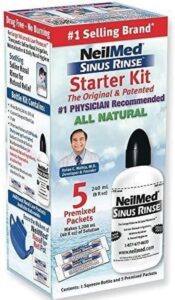
  • Saline Sprays and Rinses: If you haven’t tried a neti pot or saline nasal spray yet, you’re missing out. These tools use a saltwater solution to flush out allergens, irritants, and excess mucus from your nasal passages. It might feel strange at first (hello, water trickling into places it shouldn’t!), but many people swear by them. Just make sure to use distilled or sterilized water to avoid introducing bacteria into your sinuses. Trust me, the last thing you need is an infection on top of an infection.

  • Over-the-Counter Decongestants: For temporary relief, medications like pseudoephedrine or phenylephrine can reduce swelling in your nasal passages, helping you breathe easier. Be cautious, though—these aren’t meant for long-term use. Prolonged reliance on decongestants can actually lead to rebound congestion, which is exactly what you’re trying to avoid.

Step 2: When Antibiotics Enter the Chat

Now, here’s where things get a bit more serious. If your symptoms persist beyond 10 days or worsen after initially improving, bacteria might be the culprit. In such cases, your doctor may prescribe antibiotics. Common options include amoxicillin or azithromycin, depending on the severity of the infection and your medical history.

But wait—before you start popping pills, remember that antibiotics aren’t a magic bullet. They only work on bacterial infections, not viruses. Taking them unnecessarily can contribute to antibiotic resistance, which is bad news for everyone. So, follow your doctor’s instructions carefully, and don’t stop the course early, even if you start feeling better. Completing the full prescription ensures the bacteria are fully eradicated.

Step 3: Chronic Sinusitis – Time for Advanced Solutions

For chronic sufferers, treatment often requires a more strategic approach. Unlike acute sinusitis, which typically resolves within weeks, chronic sinusitis lingers for months—or even years. This persistence means it’s time to bring out the heavy artillery.

  • Nasal Corticosteroids: These sprays, such as fluticasone or mometasone, reduce inflammation in your nasal passages and sinuses. They’re incredibly effective for managing chronic sinusitis, especially when used consistently. While they won’t provide instant relief, they can significantly improve symptoms over time. Think of them as your sinuses’ personal bouncers, keeping inflammation under control.

  • Allergy Management: If allergies are contributing to your sinus woes, addressing them is crucial. Antihistamines, allergy shots, or avoiding known triggers can go a long way in preventing flare-ups. After all, why keep feeding the fire if you can extinguish it?

  • Surgery: Now, before you panic, let me assure you that surgery is reserved for cases where other treatments haven’t worked. Modern techniques, like endoscopic sinus surgery, are minimally invasive and highly effective. During the procedure, doctors remove blockages, widen narrow sinus openings, or excise polyps to restore proper drainage. Recovery times vary, but most patients experience significant improvement afterward. Plus, advancements in technology mean less pain and faster healing compared to traditional methods.

Step 4: Grandma’s Remedies vs. Real Medicine

Let’s talk about home remedies because, let’s face it, someone always asks about them. Garlic soup, turmeric tea, apple cider vinegar—you name it, someone swears by it. And hey, while these remedies might offer comfort or placebo benefits, they’re no substitute for evidence-based care. Drinking ginger tea probably won’t hurt, but it also won’t cure a bacterial infection.

That said, certain lifestyle tweaks can complement medical treatment. Staying hydrated, avoiding smoke and other irritants, and using a humidifier during dry seasons can all support your recovery. Just don’t expect grandma’s secret recipe to replace antibiotics or surgery if those are truly needed.

Step 5: Prevention – Keep Sinusitis at Bay

The best treatment is prevention, right? Once you’ve kicked sinusitis to the curb, focus on keeping it away. Some tips:

  • Manage Allergies Proactively: Stay ahead of seasonal allergies with antihistamines or nasal sprays.
  • Practice Good Hygiene: Wash your hands regularly to avoid catching colds or viral infections that could lead to sinusitis.
  • Stay Humidified: Dry air is the enemy of healthy sinuses. A humidifier can keep your nasal passages moist and happy.
  • Avoid Irritants: Steer clear of cigarette smoke, strong perfumes, and pollutants that irritate your sinuses.

A Word of Caution

While self-care and over-the-counter remedies can handle many cases of sinusitis, don’t hesitate to seek professional help if symptoms persist or worsen. Chronic sinusitis, in particular, requires expert guidance to prevent complications like sinus infections spreading to nearby areas (yes, that includes your eyes and brain). Early intervention can save you a lot of headaches—literally and figuratively.

Final Thoughts

Treating sinusitis isn’t one-size-fits-all. What works for your neighbor might not work for you, and that’s okay. The key is finding the right combination of therapies tailored to your specific needs. Whether it’s rest and hydration for a mild case, antibiotics for a bacterial infection, or surgery for chronic issues, there’s hope for relief.

So, take a deep breath (or as deep as your stuffed-up nose will allow) and tackle sinusitis head-on. With patience, persistence, and the right tools, you’ll be breathing freely again in no time.

What Happens If You Ignore It?

Let’s be honest: life gets busy, and when you’re juggling work deadlines, family obligations, or just trying to survive another Monday, it’s tempting to shrug off that nagging sinus pressure. ā€œIt’ll go away on its own,ā€ you tell yourself. Maybe it will—or maybe it won’t. Ignoring sinusitis is like ignoring a leaky faucet in your kitchen. At first, it’s just an annoyance—a drip here, a drip there. But if left unchecked, that tiny leak can turn into a flood, wreaking havoc on your home (or in this case, your body). And trust me, the consequences of untreated sinusitis are far scarier than soggy countertops.

The Domino Effect: When Sinusitis Spreads

Your sinuses may seem like small, insignificant spaces tucked away in your skull, but they’re surprisingly well-connected to other critical parts of your body. This means that when things go wrong in your sinuses, the fallout can spread—sometimes with devastating results.

  • Meningitis: Let’s start with one of the scariest complications: meningitis. This is an infection of the membranes surrounding your brain and spinal cord, and it can occur if bacteria from your sinuses travel upward. Symptoms include severe headache, neck stiffness, fever, sensitivity to light, and confusion. Meningitis is no joke—it requires immediate medical attention and can be life-threatening if not treated promptly.

  • Vision Problems: Your sinuses sit dangerously close to your eyes, so when infections spread, they can affect your vision. Orbital cellulitis, for example, is a serious condition where the infection reaches the tissues around your eye. This causes swelling, redness, pain, and even double vision or blindness if left untreated. Another potential issue is abscess formation near the eye, which may require surgical drainage. Yikes.

  • Bone Infections (Osteomyelitis): Believe it or not, untreated sinus infections can also lead to bone infections. The bones around your sinuses—like those in your forehead or cheekbones—aren’t immune to bacterial invasion. Osteomyelitis is rare but incredibly painful and difficult to treat, often requiring long courses of antibiotics or surgery.

  • Brain Abscesses: If you thought meningitis was bad, imagine a pocket of pus forming in your brain. A brain abscess is a rare but potentially fatal complication of untreated sinusitis. Symptoms include persistent headaches, nausea, seizures, and neurological deficits like weakness or difficulty speaking. Needless to say, this is a situation you want to avoid at all costs.

Chronic Sinusitis: The Silent Saboteur

Even if your sinusitis doesn’t escalate to life-threatening complications, chronic sinusitis alone can significantly degrade your quality of life. Imagine feeling perpetually tired, irritable, and foggy-headed—not because you stayed up binge-watching Netflix, but because your body is stuck in a constant state of low-grade inflammation. Chronic sinusitis sufferers often describe themselves as ā€œwalking zombies,ā€ unable to focus, enjoy hobbies, or keep up with daily responsibilities.

Here’s what happens when you let chronic sinusitis run rampant:

  • Fatigue: Constant inflammation and poor sleep (thanks to nasal congestion) leave you feeling drained. It’s like running on a battery that never fully recharges.

  • Cognitive Fog: Ever heard of ā€œbrain fogā€? Chronic sinusitis can make it hard to concentrate, remember details, or think clearly. Some patients report feeling like their brain is wrapped in cotton wool, making even simple tasks feel overwhelming.

  • Emotional Toll: Living with chronic discomfort takes a psychological toll. Many people develop anxiety or depression as a result of dealing with unrelenting symptoms. You might find yourself snapping at loved ones or withdrawing socially because you simply don’t have the energy to engage.

  • Work and Relationships Suffer: When you’re constantly battling fatigue, irritability, and physical discomfort, it’s hard to show up as your best self—at work, in relationships, or anywhere else. Productivity plummets, and misunderstandings arise when you’re too exhausted to communicate effectively.

The Ripple Effect on Daily Life

Beyond the serious medical risks and chronic misery, untreated sinusitis can disrupt the simplest joys of everyday life. Can’t smell your morning coffee? That’s a bummer. Tasting food becomes a chore rather than a pleasure. Even socializing feels awkward when you’re constantly sniffling, clearing your throat, or worrying about bad breath caused by postnasal drip.

And let’s not forget about sleep. Nasal congestion makes it nearly impossible to breathe comfortably while lying down, leading to restless nights and groggy mornings. Over time, poor sleep compounds the fatigue and cognitive issues, creating a vicious cycle that’s tough to break.

Why Early Intervention Matters

Here’s the bottom line: ignoring sinusitis doesn’t make it disappear. In fact, delaying treatment often makes things worse. What starts as mild discomfort can evolve into a chronic condition—or worse, trigger dangerous complications. The good news? Most cases of sinusitis are highly treatable when caught early. Whether it’s rest, hydration, medication, or more advanced interventions, taking action sooner rather than later can save you a world of trouble.

A Word of Encouragement

If you’ve been putting off seeing a doctor because you think sinusitis isn’t a big deal, I urge you to reconsider. Yes, it’s inconvenient, and yes, it’s uncomfortable—but it’s also manageable with the right care. Don’t wait until your symptoms spiral out of control or start affecting other areas of your health. You deserve to feel better, breathe easier, and reclaim your life.

So, do yourself a favor: pick up the phone, schedule that appointment, and take the first step toward healing. Because ignoring sinusitis isn’t just risky—it’s unnecessary. With modern medicine and a proactive mindset, you can stop the leak before it turns into a flood.

Final Thoughts

Let’s face it: sinusitis isn’t exactly the stuff of Hollywood blockbusters. It doesn’t come with dramatic plot twists or heroic montages (unless you count Googling ā€œhow to unblock my noseā€ at 2 a.m. as heroic). But here’s the thing—it might not be glamorous, but it’s a big deal . For millions of people worldwide, sinusitis is more than just an inconvenience; it’s a relentless intruder that disrupts their daily lives, saps their energy, and leaves them feeling like they’re trapped in a foggy, congested nightmare.

Why You Shouldn’t Go It Alone

One of the biggest mistakes people make with sinusitis is thinking they can tough it out. ā€œIt’s just a cold,ā€ they say. Or, ā€œI’ll wait it out—it’ll pass.ā€ And sure, sometimes it does. But what happens when it doesn’t? What happens when that dull pressure turns into a throbbing headache, or when your fatigue becomes so overwhelming that even climbing out of bed feels Herculean?

The truth is, ignoring sinusitis—or trying to self-manage without professional guidance—can lead to unnecessary suffering. Whether it’s a simple case of acute sinusitis or something more persistent, seeing an ENT specialist can save you a lot of headaches—literally and figuratively. These doctors are like detectives for your sinuses, equipped with the tools and expertise to uncover the root cause of your symptoms and craft a personalized plan to get you back on track.

Your Sinuses Deserve TLC

Here’s a little secret: your sinuses aren’t just random air pockets in your skull—they’re vital players in your respiratory system. They help humidify the air you breathe, filter out pollutants, and even enhance your voice (ever notice how stuffed-up noses change the way you sound?). So when they’re inflamed, blocked, or infected, it’s no wonder your whole body feels off.

Think of your sinuses like a garden. When they’re healthy, everything flourishes. But when weeds (aka inflammation, mucus, or bacteria) take over, the entire ecosystem suffers. The solution? A little tender loving care. That might mean resting, hydrating, and using saline sprays for mild cases—or seeking medical treatment for more stubborn issues. Either way, the goal is the same: to nurture your sinuses back to health.

Don’t Wait Until It’s Too Late

If there’s one thing I hope you take away from this article, it’s this: don’t wait until your symptoms spiral out of control before seeking help. I’ve seen too many patients who brushed off their sinus problems for months—or even years—only to end up with chronic conditions or complications that could have been avoided. Life’s too short to spend it breathing through your mouth, feeling perpetually tired, or dreading the next wave of congestion.

So, the next time you feel that familiar pressure building up, listen to your body. Pay attention to the signs, and don’t dismiss them as ā€œjust another cold.ā€ Early intervention can make all the difference, whether it’s ruling out allergies, addressing structural issues, or simply getting the right medication to clear up an infection.

A Breath of Fresh Air

At the end of the day, sinusitis is a reminder of how interconnected our bodies are—and how much we rely on seemingly small things, like being able to breathe freely. When your sinuses are happy, life feels easier. Colors seem brighter, food tastes better, and conversations flow more smoothly. But when they’re unhappy, well… let’s just say it casts a shadow over everything.

The good news? You have the power to reclaim your comfort and quality of life. Whether it’s through lifestyle changes, over-the-counter remedies, or professional treatment, there are solutions out there waiting for you. All you have to do is take the first step.

So, here’s my challenge to you: the next time sinusitis comes knocking, don’t ignore it. Show it who’s boss. After all, life’s too short to spend it breathing through your mouth—or feeling like you’re living in a perpetual state of sniffles. Your sinuses are part of you, and they deserve a little love. Give them the care they need, and trust me—you’ll thank yourself later.

FAQs About Sinusitis

Can sinusitis go away on its own?

Absolutely! Many cases of acute sinusitis resolve without treatment within a couple of weeks. However, if symptoms persist or worsen, it’s best to consult a doctor. Self-care measures like staying hydrated and using saline sprays can speed up recovery.

How can I tell if my sinusitis is bacterial or viral?

Great question! Viral sinusitis usually follows a cold and improves within 7-10 days. Bacterial sinusitis tends to last longer and may require antibiotics. Persistent symptoms like high fever or thick yellow/green discharge could indicate a bacterial cause.

Are there any natural remedies for sinusitis?

Sure thing! Steam inhalation, warm compresses, and staying hydrated can provide relief. Some people swear by neti pots or herbal teas, but remember, these shouldn’t replace professional advice if needed.

Does sinus surgery hurt?

Not really! Modern procedures are minimally invasive and performed under anesthesia. Recovery varies, but most patients experience only mild discomfort afterward. Trust me, the benefits far outweigh any temporary inconvenience.

Can allergies trigger sinusitis?

Oh, absolutely. Allergies can cause inflammation that leads to blocked sinuses, creating the perfect environment for sinusitis. Managing allergies with antihistamines or allergy shots can reduce your risk of developing sinus issues.

See also:

Dr. Olivia Blake

āœ”ļø Reviewed by Dr. Olivia Blake, ENT Specialist (Human-Edited)
Based in London, UK – MBBS from Royal London Hospital, 10+ years in NHS & private practice.

Last reviewed: 8 December 2025

This human-edited article is reviewed regularly and updated every 6 months for medical accuracy. For personalized advice, consult a healthcare professional.
Leave a Reply

Your email address will not be published. Required fields are marked *